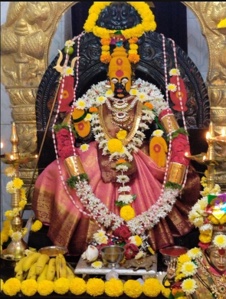
From the Maratha settlement of the seventeenth century to the temple’s reconstruction
and expansion, explore the story of Shri Satawai Devi Temple.
Maratha settlement in Bijapur
The history of the Shri Satawai Temple is closely linked to the settlement of the
Maratha community in Bijapur, now known as Vijayapura. In 1637, Shahaji Raje Bhonsle
moved from the service of the Sultan of Ahmednagar to that of the Adil Shahi rulers
of Bijapur, who gave him a suitable senior position in recognition of his courage
and abilities. His loyal followers accompanied him to Bijapur, where the Adil Shahi
administration allotted the Marathas land in the northwestern part of the city,
along with land for agriculture. Many settled in the areas now known as Shivaji Peth
and Shahu Nagar, which were then called Doble Galli and Kavale Galli, respectively.
Community shrines and traditions
To serve the needs of their growing community, the Marathas established four
community halls, or maths. These included Eshwar Mandir (Math) in Shivaji Peth,
Lavangiri Math in Shahu Nagar, Shankarling Math in Jorapur, and one other. They also
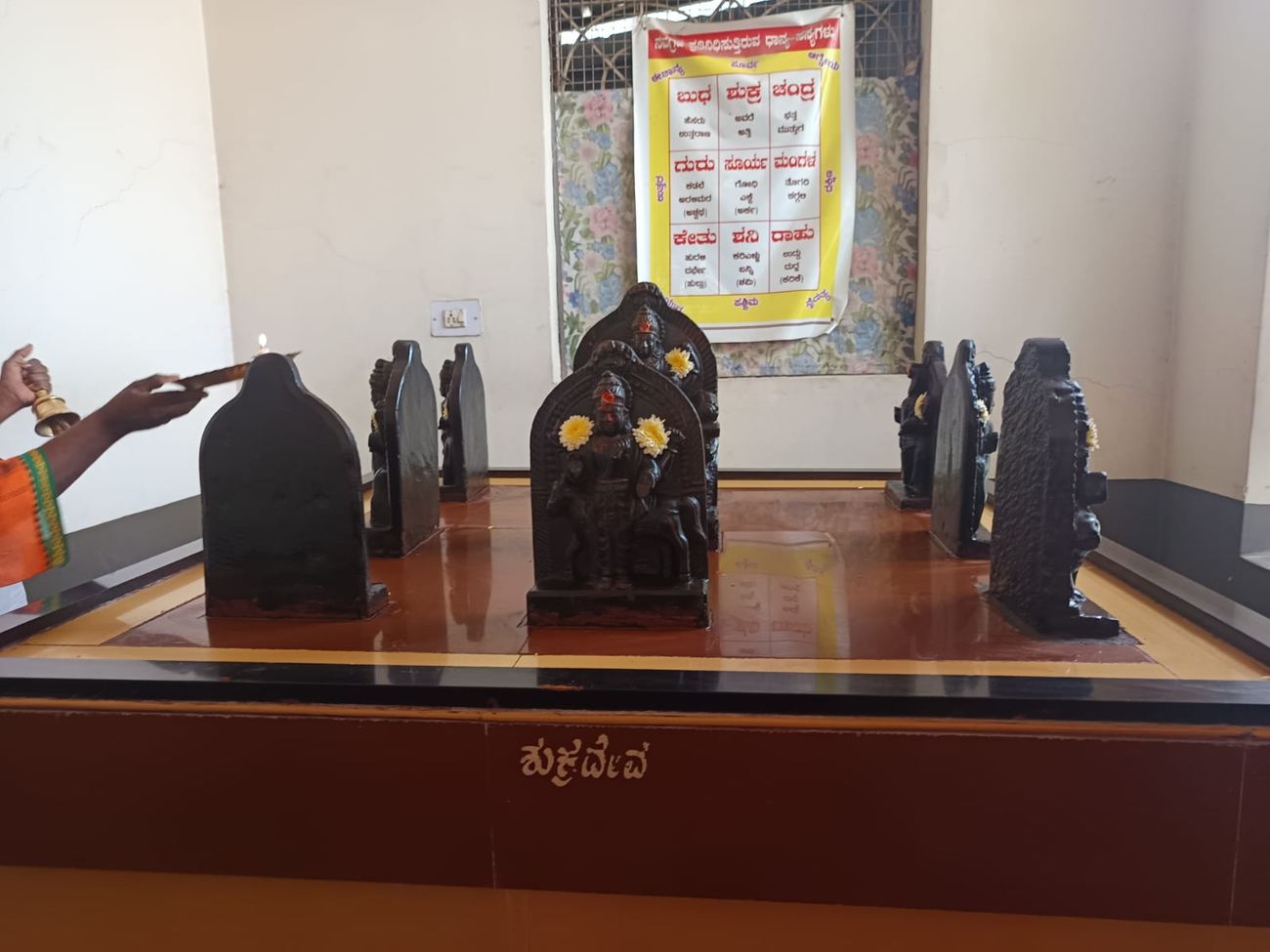
built temples dedicated to Bhavani, Jyotiba, Maruti, Ambabai, and the Navagrahas. A
temple dedicated to Satawai, however, was still missing.
The origins of Raan-Satawai
This need was met by the Mohite family of Shivaji Peth, described in the family
account as the Chavan family by origin. The family was well placed in the Shahpur
Gate area, also known as Mulla Agasi, and enshrined the Satawai deity in the
kandak, or moat, beside the outer fort wall. This is believed to have taken
place sometime between 1637 and 1650. As the surrounding area was overgrown with
trees, plants, and shrubs, devotees came to know the deity as Raan-Satawai.
Restoration in 1952
For many years, the temple remained a small shrine visited from time to time by
members of the community, while the Mohite family looked after its day-to-day
affairs. In 1952, the head of the family and Chief Trustee, Ramachandrarao Mohite,
together with his wife, Smt. Tarabi, improved the shrine using cement and mortar.
They raised the temple floor and foundation to prevent water from entering during
heavy rains and provided protection for the deity from the sun, rain, and other
elements.
Reconstruction and consecration
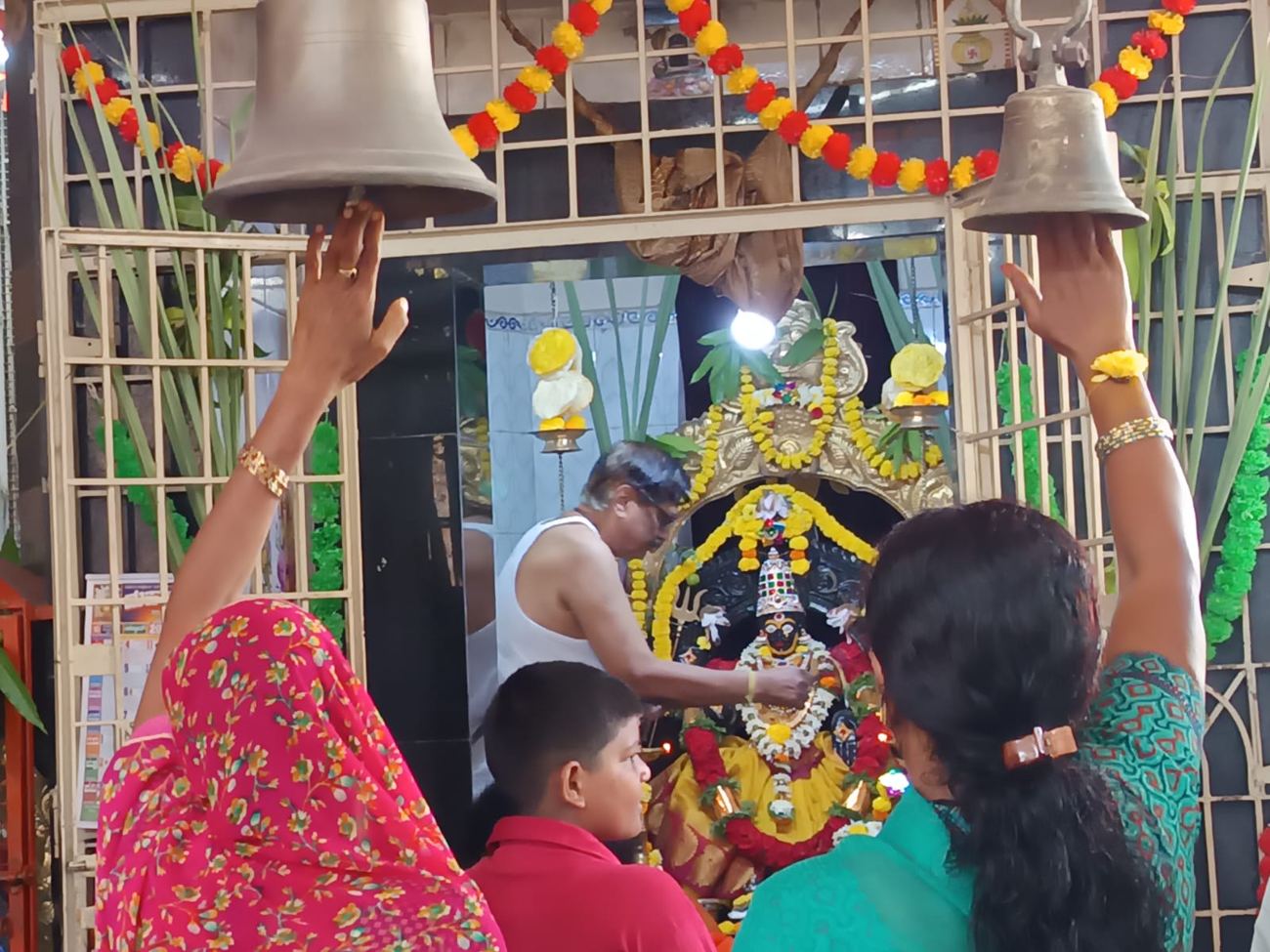
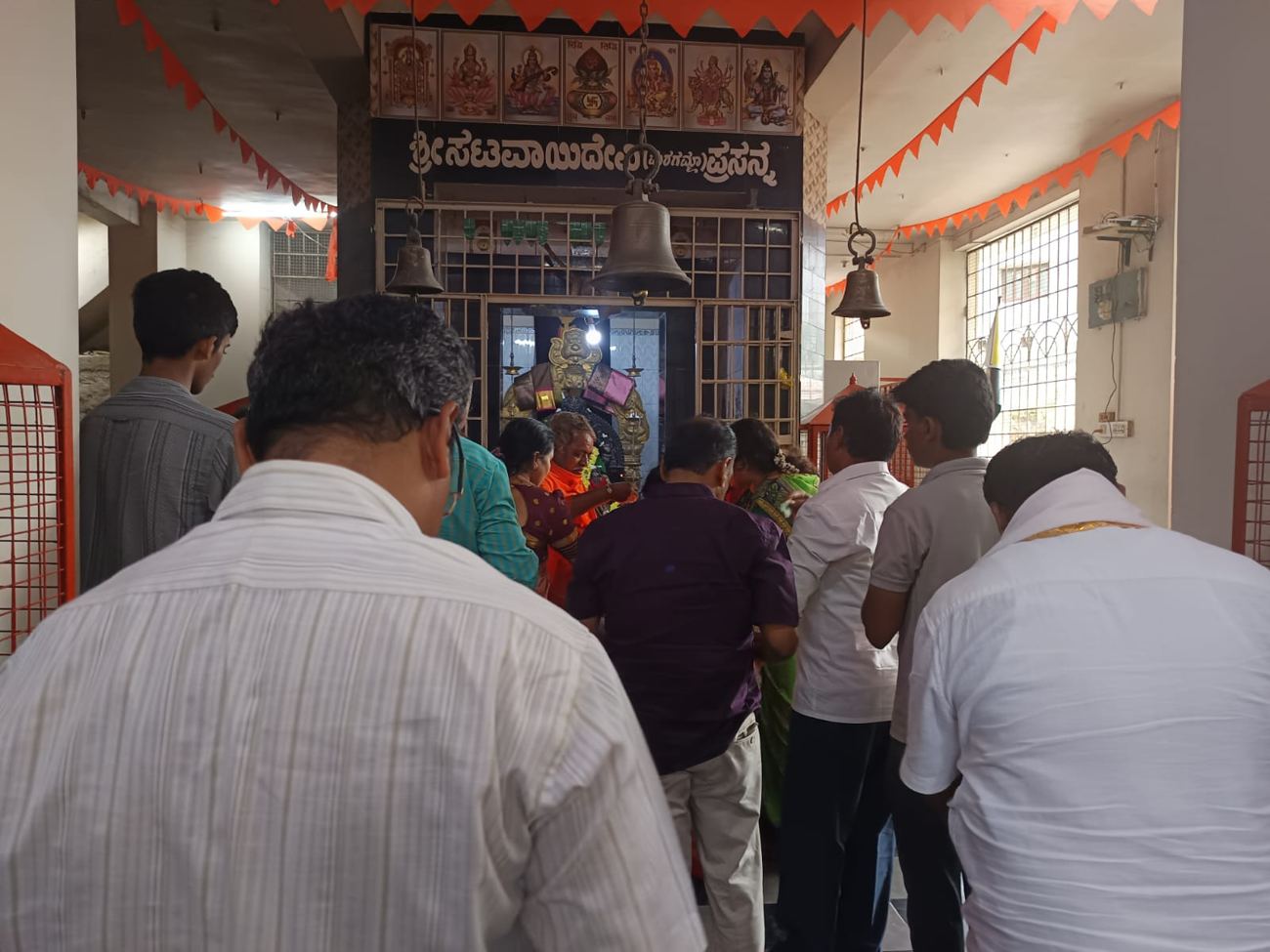
As more devotees began visiting for puja and Javala ceremonies, the trustees, led by
Balakrishna, felt the need for a larger temple. In 2001–2002, the temple was rebuilt
at the same location to accommodate approximately 50 to 100 devotees at a time. On
24 May 2002, an idol of Goddess Satawai was installed for the first time following
the consecration ceremony, or pranapratishthana.
Further development
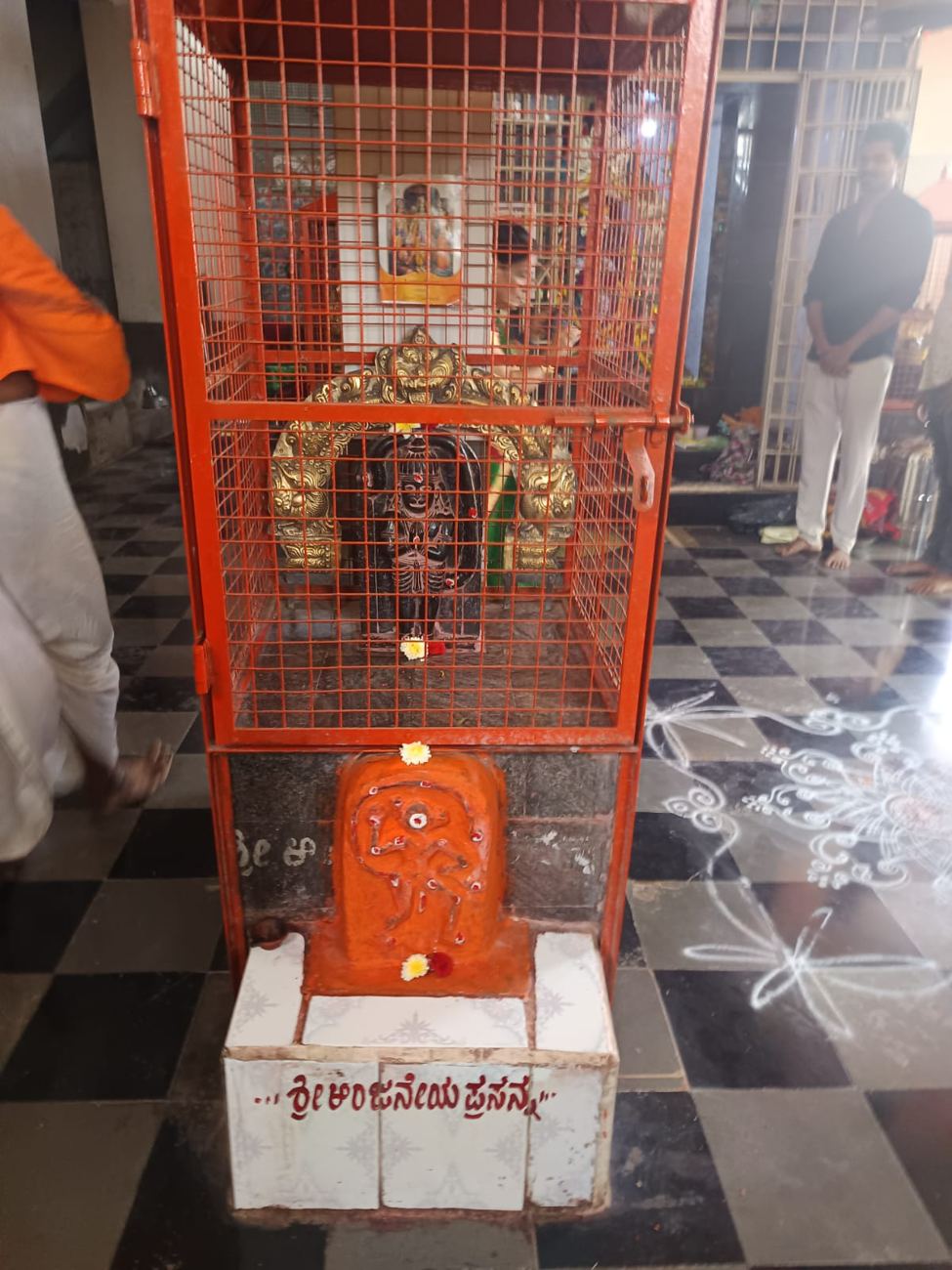
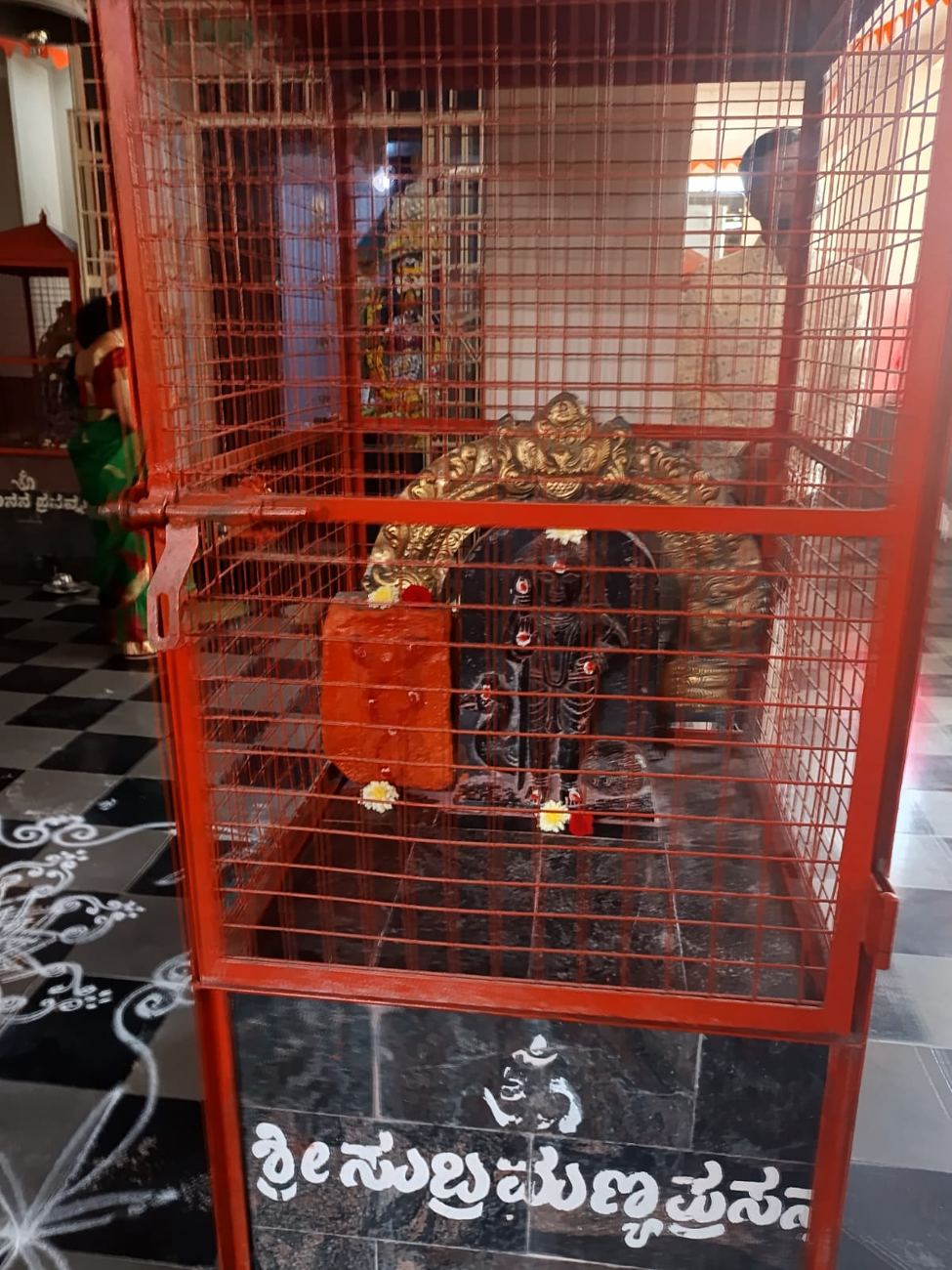
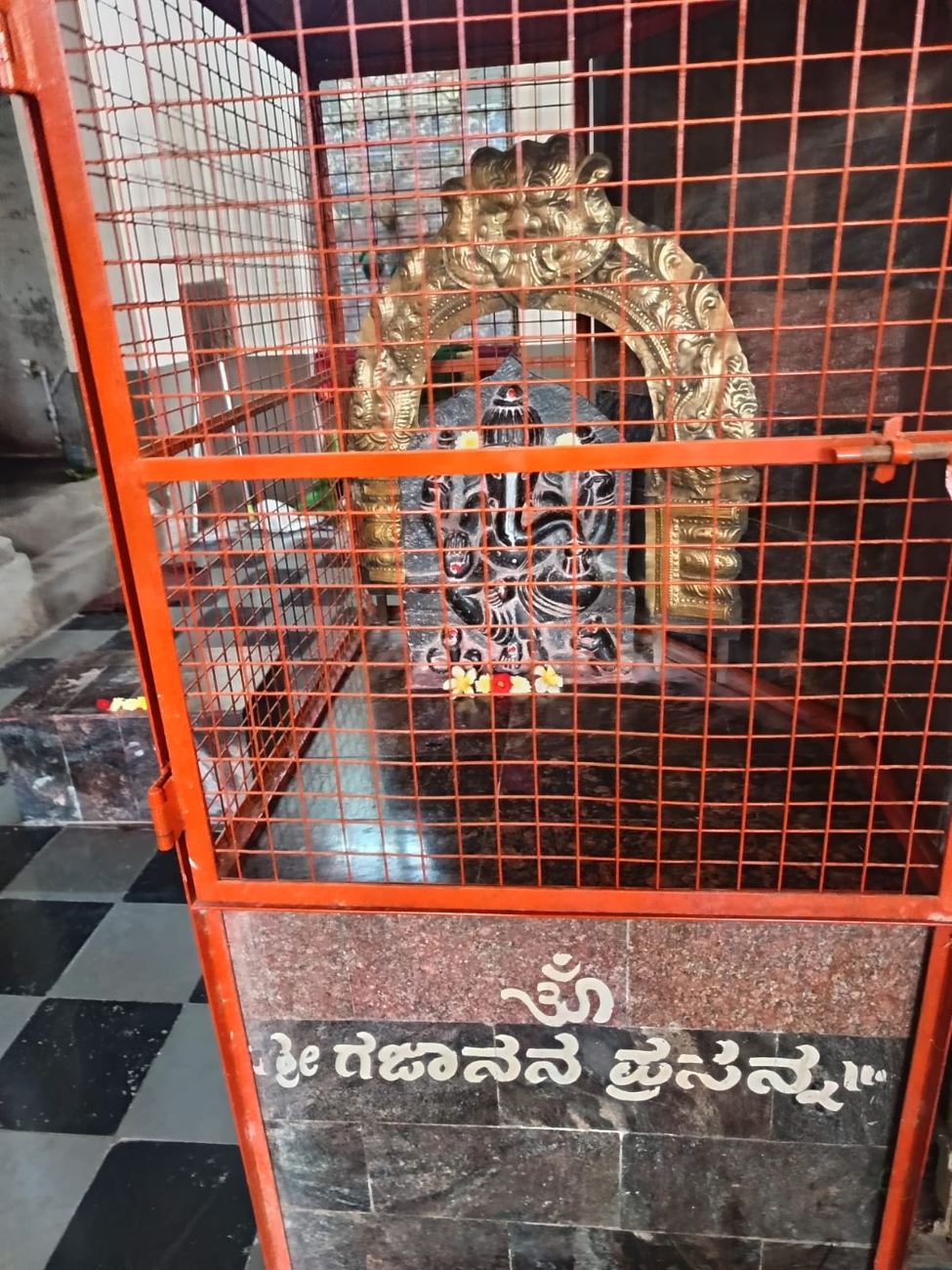
The temple continued to develop in the years that followed. In 2004, idols of
Eshwar, Shiva-Nandi, Maruti, and Subramanya Swamy were installed within the
premises. Navagraha idols were added later, although the year of their installation
is not specified in this account. A kalasa was also installed atop the temple’s
gopura during a grand Kumbhabhisheka ceremony attended by community leaders and
others from the city.
Trust, facilities and donated land
To support the temple’s management, a formal family trust had been registered with
the Endowment Commissioner, Government of Karnataka, in 1998, under registration
number 778/98. Accommodation was also constructed on the temple land beside the
shrine, allowing devotees travelling from within and outside the state to stay
briefly and freshen up. In 2006, a neighbour and devotee, Sri Vittal Halemani,
gifted six guntas of adjoining land to the temple.
Historical account supplied for the temple website; dates and details are presented as
recorded in that account.